Table of contents
Roulette wheels still spin in Paris, even as players increasingly split their leisure time between streaming platforms, mobile games and online betting apps, and that tension is now shaping how the city’s casino scene presents itself. Behind the velvet ropes and the cinematic lighting, operators are fighting a quiet battle: keeping traditional table games relevant without freezing them in nostalgia. The answer is less about gimmicks than about craft, regulation and a sharper understanding of what modern audiences actually come for.
Roulette still works, but only if it feels fair
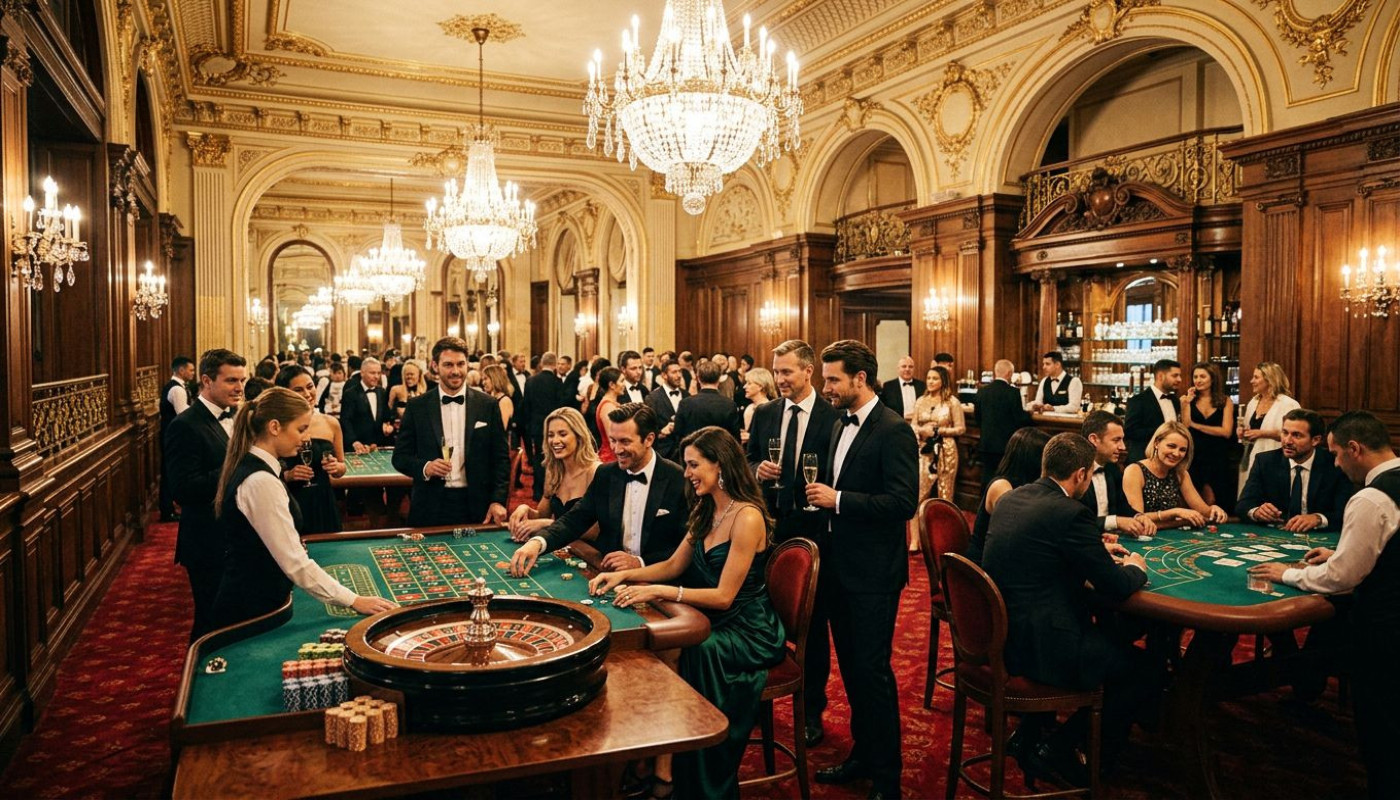
It is easy to call roulette “timeless”, harder to explain why people still trust it. In an era defined by algorithmic feeds and opaque recommendation engines, the appeal of a physical wheel is partly psychological: you can watch the croupier launch the ball, you can see the wheel slow, and you can argue with your friends about where it will land, and none of that depends on hidden code. Paris casinos and gaming venues that maintain classic tables lean heavily on that transparency, because perceived fairness is now a competitive advantage, not a given.
That fairness is reinforced through procedures that feel ceremonial but are, in practice, operational safeguards. Wheels are inspected, tables are supervised, and staff are trained to follow set dealing patterns, with surveillance and compliance teams looking for irregularities that would undermine confidence. The point is not simply to satisfy regulators; it is to reassure customers who have grown wary of “black box” systems online. Traditional games survive when the venue makes their mechanics legible, and when the player experience communicates that the house edge is known, stable and not subject to sudden, unexplained shifts.
Paris is also a market where visitors arrive with expectations shaped by film, literature and tourism marketing, and the industry quietly capitalises on that cultural framing. A roulette table is not just a betting product; it is a performance with rules, etiquette and a pace that contrasts with rapid-fire mobile play. Casinos keep the format alive by protecting that tempo, even as they add small conveniences around it, such as clearer minimum-bet signage, multilingual assistance for tourists and table layouts designed for visibility. The game remains the same, but the friction is reduced.
The pressure, however, is real. Across Europe, the past decade has seen growth in remote gambling and gaming-adjacent entertainment, while land-based venues have had to justify travel time, dress codes and higher minimum stakes. The response in Paris has not been to “modernise” roulette itself, but to modernise the conditions around it: better customer flow, better staff communication and an emphasis on trust. When players believe what they see, classic games stop feeling old-fashioned and start feeling refreshingly concrete.
Blackjack survives on skill, not nostalgia
Forget the chandeliers, the real hook is agency. Blackjack endures because it gives players something many modern entertainment formats struggle to offer: the sense that decisions matter, and that learning improves outcomes. Paris casinos that keep blackjack prominent understand that they are not selling a relic; they are offering a structured contest where probability, discipline and restraint can be felt in real time, hand after hand, and that is increasingly rare in leisure markets built around passive consumption.
To sustain that appeal, operators focus on teaching without patronising. Better venues make the rules legible, they standardise table limits to avoid unpleasant surprises, and they train dealers to manage pace so that newcomers do not feel punished for thinking. Some houses also lean into responsible-play messaging at the table, not as moralising signage but as practical guidance, because blackjack’s “skill” narrative can tempt players into overconfidence. Keeping the game alive means protecting its identity as a contest of margins, where even optimal play cannot eliminate the house edge, but can reduce it, and that honesty matters.
The experience is also shaped by how tables are mixed. Paris casinos often balance high-limit spaces, where traditional etiquette and slower dealing dominate, with more accessible tables that accept lower minimum bets and tolerate a broader range of player behaviours. That segmentation is not cosmetic; it is a survival strategy. If classic games become socially intimidating, they shrink to a niche, but if they are made approachable without losing their structure, they remain part of the mainstream night out.
Meanwhile, the shadow competition is not only online gambling but also the culture of gaming and esports, where “skill” is the organising principle. A player who spends evenings mastering competitive games understands practice, variance and tilt, and casinos are learning to speak that language, carefully. The goal is not to turn blackjack into a video game; it is to present it as a live, social version of strategic play, where the consequences are immediate, the rules are fixed and the human element, from dealer interaction to table dynamics, becomes part of the draw.
Live tables compete with a second screen
Phones at the felt are no longer shocking, they are the norm, and that changes everything. Paris casinos trying to keep traditional games alive are effectively competing with a second screen that can deliver endless novelty, instant statistics and constant social validation. The challenge is to offer something a device cannot replicate: atmosphere with stakes, social energy with unpredictability, and a narrative that unfolds in front of you rather than being curated for you.
One tactic is programming. Rather than relying solely on the timelessness of tables, venues schedule themed evenings, tournament formats and beginner-friendly sessions, because events create urgency, and urgency drives attendance. Another is hospitality: better food, smarter cocktail service and seating plans that encourage groups to circulate between tables without losing their sense of occasion. Traditional games survive when they anchor a broader night, not when they are expected to carry the entire entertainment proposition alone.
There is also a quieter operational reality: classic tables are labour-intensive, and staffing them well is expensive. That means casinos must optimise without making the floor feel squeezed. Smart operators protect table density, so players are not forced into crowded conditions, and they maintain visible standards, from chip quality to dealer training, because small degradations are immediately felt. In a digital world, where users can switch apps in seconds, physical venues cannot afford to feel sloppy, and a tired roulette pit or a rushed blackjack dealer can send a customer back to their phone for good.
At the same time, the audience has become more diverse in how it approaches risk. Some visitors want the glamour of a classic night, others want low-commitment entertainment, and many want both, moving between a live table and other formats. That is where the broader gambling ecosystem becomes relevant, including international online options that operate under different player-protection regimes. For readers comparing alternatives, including a non Gamstop casino, the key practical question is not only game variety, but also how limits, verification and responsible-play tools are implemented, and whether the experience prioritises transparency over speed.
Tradition stays alive when rules stay strict
Here is the paradox: casinos keep classic games attractive by being less flexible, not more. In a market saturated with customisation and “your rules” marketing, traditional table games in Paris remain compelling because their rules are stable, their rituals are consistent and their boundaries are visible. That stability depends on strict operational discipline, and it is one reason physical venues can still claim a distinct identity, even as entertainment habits fragment.
Regulation and compliance are not glamorous subjects, but they underpin the trust that makes table games viable. Casinos that take rule enforcement seriously, from bet handling to dispute procedures, protect the perception that outcomes are determined by the game, not by arbitrary interventions. When disputes happen, and they do, the presence of clear processes, staff authority and surveillance protocols can prevent a moment of frustration from turning into reputational damage. In a social-media era, where a single clip can shape public opinion, that institutional steadiness is part of the product.
Strictness also extends to responsible gambling. Traditional games can feel slower than online play, yet they still involve real money and real risk, and Paris venues are under pressure to demonstrate that they are not encouraging harm. That can include visible messaging, trained staff and the practical ability to intervene when someone appears distressed or out of control. The industry knows that the future of classic games is linked to public tolerance, and tolerance depends on whether casinos are seen as controlled environments rather than unbounded temptation.
Finally, tradition endures when it is curated, not merely preserved. That means investing in dealer careers, maintaining equipment, and treating the table floor as a theatre with standards, not as a warehouse of betting options. Paris casinos keep roulette, blackjack and other classics alive by making them feel like live events that reward attention, and by ensuring the conditions around the games, from lighting to rule clarity, reinforce the sense that you are participating in something designed to be understood, not gamed.
Planning a night out without surprises
Book ahead when events are scheduled, set a budget before you arrive and keep cashless spending in check by deciding your maximum loss in advance. Check minimum bets at the tables, ask staff about house rules and breaks, and if you want support tools, verify what options exist on-site. A planned visit is more enjoyable, and usually cheaper.
Similar


