Table of contents
With rapid advancements in technology, the landscape of firefighting is undergoing a remarkable transformation. Fresh tools and methodologies are making fire response faster, safer, and more efficient than ever before. Explore the latest innovations set to redefine how first responders combat fire emergencies in the coming decade, and discover the cutting-edge solutions that could save countless lives and properties.
Advanced drone deployments
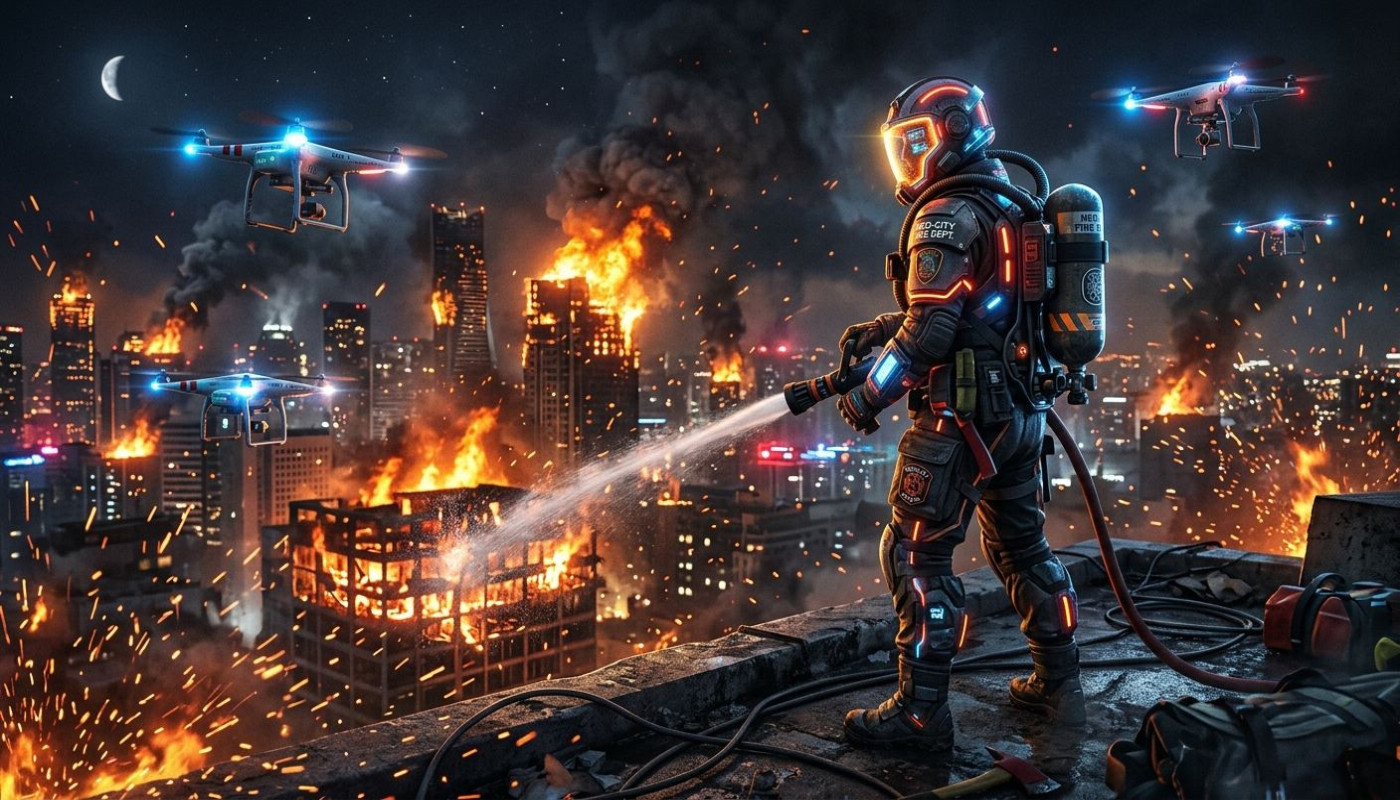
Unmanned aerial vehicles (UAVs) are transforming the landscape of firefighting operations through cutting-edge drone technology. Equipped with advanced sensors, these firefighting UAVs enable unparalleled aerial surveillance, offering real-time fire mapping and thermal imaging capabilities that are vital in understanding the scale and movement of blazes. This geospatial intelligence allows teams to make rapid, informed decisions, optimizing resource allocation and targeting critical zones. In addition to mapping, drones can deliver firefighting agents directly into hard-to-reach or hazardous areas, reducing physical risk for firefighters and providing a tactical edge during intense operations.
The integration of thermal imaging and high-definition video from aerial platforms significantly enhances situational awareness for first responders. Command centers receive live feeds, which are analyzed to identify hotspots, track personnel, and monitor changing conditions from a safe distance. These advancements directly contribute to greater safety, reduced response times, and more effective coordination among ground teams. Responsibility for the deployment and oversight of these sophisticated drone operations lies with the fire chief, ensuring that protocols are maintained and the technology is used to its fullest potential.
Advancements in drone technology not only benefit emergency response agencies but also have parallels in other sectors that demand real-time surveillance, rapid data collection, and precision logistics. For instance, non Gamstop casino sites can leverage similar geospatial intelligence and real-time monitoring to enhance operational security and compliance. More information on innovative applications of drone technology can be found at non Gamstop casino sites.
Smart protective gear
Smart gear has ushered in a transformative era for firefighter safety, notably through the integration of wearable sensors within protective equipment. These advanced biometric monitoring systems continuously track vital signs such as heart rate, temperature, and oxygen saturation, providing real-time health monitoring to preempt medical emergencies related to fatigue or stress. In parallel, these sensors assess environmental hazards like toxic gas presence, ambient temperature, and structural integrity, alerting firefighters and command centers to evolving dangers. Data analytics play a pivotal role in this landscape, allowing rapid interpretation of health and hazard indicators, which leads to more effective, safer decision-making during operations. The fire chief bears responsibility for championing the transition to these technologies, ensuring all personnel receive comprehensive training to maximize the benefits of smart protective gear and reinforce the overarching goal of enhanced firefighter safety and operational effectiveness.
Robotics in fire suppression
Firefighting robots equipped with teleoperation capability are transforming the way departments approach dangerous situations. Robotic technology now enables remotely operated vehicles to access hazardous environments, such as buildings filled with toxic smoke or extreme heat, where human responders would face significant risk. These advanced machines can extinguish flames using high-powered water jets or specialized firefighting agents and are also designed to conduct search-and-rescue operations by identifying trapped individuals and relaying critical information in real time. The deployment of rescue robots allows personnel to maintain a safe distance, dramatically reducing injury rates and protecting lives during severe incidents.
Remote firefighting through robotic systems also enhances operational efficiency, as these units can operate continuously without facing fatigue or exposure to life-threatening conditions. Their ability to navigate debris, climb stairs, and withstand extreme temperatures means they can perform tasks impossible or unsafe for humans. The fire chief plays a pivotal role in evaluating and implementing robotic technology, ensuring that each system aligns with the department’s needs. Integrating these innovations not only optimizes resource allocation but also upholds the safety of first responders, showcasing the growing significance of robotics in modern fire suppression strategies.
Artificial intelligence for incident management
Artificial intelligence is rapidly revolutionizing incident management in fireground operations by introducing advanced predictive analytics, real-time decision support, and optimized emergency response strategies. At the core of these innovations are machine learning algorithms, which process vast datasets from past incidents, weather patterns, building layouts, and sensor networks to provide invaluable insights before, during, and after an emergency. These systems can predict fire spread, assess resource needs, and recommend the most effective deployment of personnel and equipment, ensuring that every action taken on the ground is data-driven and strategically sound.
The integration of artificial intelligence into standard operating procedures allows the fire chief to make informed choices faster, often under intense pressure and uncertain conditions. By leveraging AI-driven analytics, incident command systems can continuously adapt to evolving scenarios, prioritize high-risk situations, and reduce response times. This technological shift not only strengthens the ability to save lives and protect property but also enhances the safety of firefighters by minimizing unnecessary exposure to hazards. As the adoption of these tools grows, the role of artificial intelligence in reshaping emergency response and optimizing incident management will become indispensable for modern fire departments.
Eco-friendly fire suppression methods
Eco-friendly firefighting has gained momentum as fire departments seek sustainable suppression techniques that protect both people and the planet. Innovations such as non-toxic foam have replaced traditional chemical agents, offering effective fire suppression with drastically reduced risks to water sources and local ecosystems. Water mist systems are another green fire technology, using fine droplets to cool flames and displace oxygen, all while minimizing water consumption and runoff. Recycled water use in firefighting operations further supports resource conservation, making emergency response less taxing on municipal supplies. These developments not only maintain high efficacy in extinguishing fires, but also reduce the overall environmental footprint of suppression efforts.
To ensure a smooth transition toward sustainable suppression, the fire chief should champion the adoption of these advanced techniques within their department. The process involves conducting a thorough environmental impact assessment, which helps evaluate the long-term benefits and potential drawbacks of each solution. Such assessment enables departments to strike a balance between operational effectiveness and ecological stewardship, aligning their strategies with broader environmental objectives. As regulatory standards evolve and public awareness grows, incorporating non-toxic foam, water mist, and recycled water becomes increasingly vital for a resilient, responsible approach to modern firefighting.
Similar